7 Ways Daylight Saving Time Messes With Your Brain
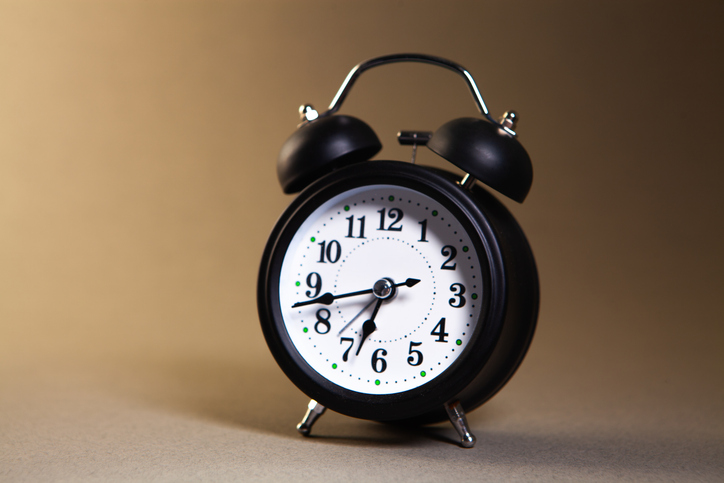
Daylight Saving Time is back this weekend. While we only lose an hour, your brain feels it a lot longer.
Share the post
Share this link via
Or copy link

Daylight Saving Time returns this weekend, which means most of us will set our clocks forward one hour and lose a little sleep in the process. It may feel like a minor inconvenience, but the time change can have real effects on the brain and body.
The idea behind Daylight Saving Time dates back to World War I. The United States first adopted it in 1918 to conserve energy during wartime. It was later repealed, then reinstated during World War II. In 1966, Congress passed the Uniform Time Act to standardize when states observe the time change. Today, most of the country still follows it, with a few exceptions like Hawaii and most of Arizona.
Supporters argue it extends evening daylight and may reduce energy use. Critics question whether the benefits still outweigh the disruption.
Love News? Get more! Join the 93.1 WZAK Newsletter
We care about your data. See our privacy policy.
So what actually happens to your brain when we “spring forward”? Keep reading for seven ways Daylight Saving Time can affect you.
1. Sleep Disruption
Losing one hour may not sound dramatic, but it can throw off your circadian rhythm. Even small shifts in sleep timing can reduce sleep quality and leave you feeling groggy for days.
2. Increased Fatigue
Many people experience daytime sleepiness after the time change. That fatigue can affect focus, reaction time, and overall energy levels — especially on Monday morning.
3. Higher Risk of Car Accidents
Several studies have found a short-term spike in traffic accidents following the spring time change, likely linked to sleep loss and reduced alertness.
4. Mood Changes
Sleep disruption can affect mood regulation. Some people report feeling more irritable or anxious in the days after Daylight Saving Time begins.
5. Productivity Dips
Workplaces often see small drops in productivity after the time shift. Less sleep can mean slower decision-making and more mistakes.
6. Heart Health Concerns
Research has shown a temporary increase in heart attack risk in the days after “springing forward,” possibly tied to sleep disruption and stress.
7. Harder Mornings for Kids and Teens
Children and teenagers often struggle more with early wake-ups. The time shift can make school mornings even tougher while their bodies adjust.
7 Ways Daylight Saving Time Messes With Your Brain was originally published on newstalkcleveland.com