What are the best energy efficient heating systems for modern homes?

Being more energy-efficient is a great way to cut utility costs. Some of the best energy-efficient heating systems today include heat pumps and high-AFUE furnaces.
Have you already tried investing in an energy-efficient system, only to find out it didn’t help that much? That’s because no heating system can do it all by itself, and reducing your bills should be a whole-house effort. This includes:
- Regular equipment maintenance
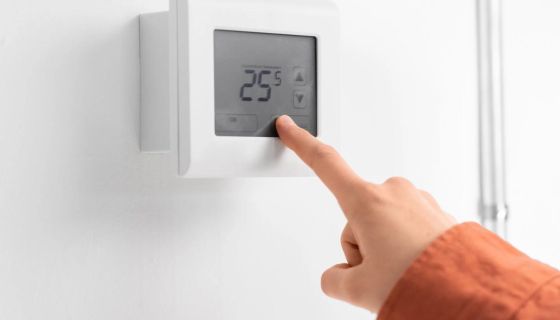
- Optimal thermostat settings
- Effective insulation
Why Is Energy-Efficient Heating Important?
As everything gets more expensive, so does heating. According to the NEADA, heating alone has cost the average household just short of $1,000 this past winter.
Even as the economy gets better, heating will remain the biggest expense on your energy bills. Efficient home heating can help you lower these costs significantly. Other reasons for investing in energy efficiency include:
- Improved air quality
- Longer equipment lifespan
- Environmental protection
What Is the Most Energy-Efficient Type of Heating System?
In general, home heating systems get more and more efficient with each passing year. Still, here are three particularly sustainable heating options:
1. High-AFUE Furnaces
The key measure of a furnace’s efficiency is its AFUE rating. This is the ratio of a furnace’s heat output compared to how much fossil fuels it consumes. For example, an AFUE of 95% means that 95% of the fuel’s energy turns to heat.
Efficient energy-saving heating solutions have 90% to 98.5% AFUE. All-electric furnaces can go up to 100%, since they experience no flue loss through a chimney. However, the cost of electricity often makes them an uneconomic choice.
High-AFUE furnaces may have advanced features, like a second heat exchanger. If the time has come to service them, hire trusted local furnace repair experts.
2. Geothermal Heat Pumps
A geothermal heat pump (GHP) works by moving heat between your home and the ground under it. The stable temperature of the ground allows these pumps to be very efficient. Even on the coldest winter nights, their output is consistent.
The main downside of these systems is the high installation price. That said, you’ll often recoup this investment through energy savings within 5-10 years. GHPs are also among the most durable and eco-friendly heating systems out there.
Making the most of a GHP will depend on its intended use and your home’s characteristics. A qualified installer can offer tips on using this system.
3. Mini-Split Heat Pumps
A mini-split heat pump is a ductless variant of an air-source heat pump. Instead of creating heat, they simply move it around. This approach is ideal for homes without ductwork, as a superior alternative to baseboard heating.
Mini-split heat pumps are a great example of modern heating technology. They’re easy to install, and their small size gives you flexibility for heating individual rooms. To prevent energy waste, make sure to size them correctly.
Energy-Efficient Heating Systems Made Easy
Looking to buy new heating equipment? If so, there’s little reason not to opt for energy-efficient heating systems. The above guide will help you get started, but you’ll also want to compare energy fact sheets to choose the best model.
At 93.1 WZAK, we make an effort to help Cleveland homeowners save money. Keep checking out our heating-related content for more helpful tips!