The Merchant's House Museum Under Threat Of Construction
The Merchant's House Museum, Home To Underground Railroad History, Under Threat
A 19th-century home on East 4th Street in Manhattan, long admired for its preserved architecture, is now drawing national attention for a far more profound reason: evidence suggests it once served as a secret refuge for enslaved Africans escaping their bondage via the Underground Railroad. Known as The Merchant’s House Museum today, the historic property has become the center of both renewed historical interest and an urgent preservation battle.
The Merchant’s House Museum’s Hidden Piece Of History
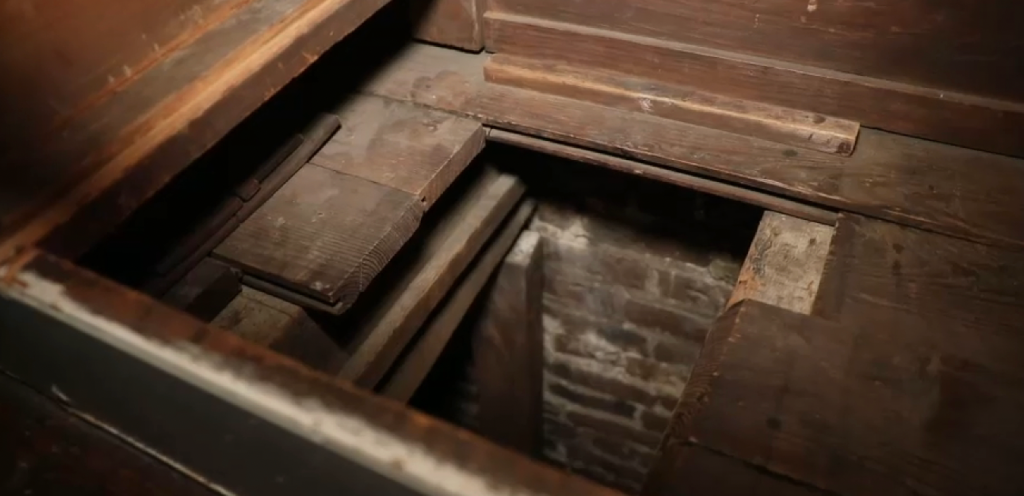
The museum went viral in February after revelations about a hidden space inside the house captured public imagination. Tucked away on the second floor is a concealed passageway beneath a small wooden hatch, measuring just two feet by two feet and hidden under a dresser drawer. The narrow shaft descends approximately 15 feet and includes a built-in ladder. Historians now believe this space may have functioned as a safe haven for freedom seekers traveling along the Underground Railroad.
Although the passageway was first discovered in the 1930s during the building’s conversion into a museum, its historical significance was not fully understood until 2024. Researchers uncovered evidence that the home’s original owner, Joseph Brewster, who built the house in 1832, was an abolitionist. This discovery reshaped understanding of the building’s role in a covert network that helped enslaved individuals escape to freedom.
“It’s not a dumbwaiter. It’s not a laundry chute,” said Emily Hill-Wright, the museum’s director of operations, told The Associated Press on March 27. “We’re able to sort of cross off all of these other theories about what this might have possibly been used for.”
The discovery has sparked widespread interest, drawing historians, preservationists, and visitors eager to witness the hidden space firsthand.
“February was our highest month for visitors in over a year,” Hill-Wright said. “You almost get choked up because it is a very visceral experience to see it with your own eyes.”
What Was The Underground Railroad?
The Underground Railroad was a covert network of safe houses, routes, and abolitionists—both white and free Black individuals—who assisted enslaved people in escaping bondage. Harriet Tubman, who escaped slavery in 1849, later became one of the Underground Railroad’s most famous conductors. Tubman’s work, along with that of many others, facilitated the escape of countless enslaved men and women. She later served the Union Army during the Civil War as a scout, spy, and nurse, even leading an armed expedition in South Carolina that freed more than 150 Black soldiers.
In the late 1820s and early 1830s, when Brewster built his home, New York City was a volatile environment for abolitionist efforts. Although New York State had officially abolished slavery in 1827, the city’s economic ties to the slaveholding South remained strong, and pro-slavery sentiment was widespread, the museum notes on its website. Free Black communities and white abolitionists who opposed slavery often faced violent backlash, including mob attacks; safe houses, such as Brewster’s, operated under constant threat.
Assisting freedom seekers was illegal and carried significant risks. There would have been “severe penalties,” Jacob Morris, director of the Harlem Historical Society, told The Associated Press.
“Bounty hunters were all over the place in New York City. They made their living on catching freedom-seeking Blacks,” Morris said. “If you got caught helping Blacks escape from slavery, a mob could come and burn down your house and beat you up. And maybe even tar and feather you or worse.”
The Merchant’s House Museum could be under threat due to surrounding real estate construction.
The Merchant’s House holds a unique place in Manhattan’s history. Designated a landmark in 1965, it was the first building in the borough to receive such status. Today, it stands as one of the very few remaining sites connected to the Underground Railroad in Manhattan. The only other intact site, the Hopper-Gibbons House in Chelsea, dates to around 1840 and is not open to the public.
Despite its historical importance, the museum now faces a serious threat. Plans for a nine-story mixed-use development adjacent to the property have raised alarms among preservationists. According to the museum’s most recent press release, the proposed structure, now in its third design iteration, released in January, would be taller and bulkier than earlier versions, increasing the risk of damage to the fragile historic building.
“What our engineers are saying is that there really is no way that a building of that size is built immediately next door to the museum without causing significant structural damage to our historic building,” Hill-Wright told The Associated Press. Civil rights leader Al Sharpton is one of many activists helping to save the historic site.
The Museum Is Fighting Back
The museum has actively opposed the development, presenting concerns at a Landmarks Preservation Commission public hearing on March 17. Lawyers, engineers, staff members, and supporters testified both in person and virtually, urging officials to reconsider the proposal. However, the commission took no immediate action.
A public meeting is expected next, during which the developer will respond to the concerns raised. While the public will not be able to testify again, written submissions will still be accepted as the commission deliberates.
As interest in the Merchant’s House Museum continues to grow, so too does the urgency of preserving it. The building is not only an architectural treasure but also a rare and powerful link to a hidden chapter of African-American history. We can’t let history be swept away.
SEE MORE:
Harriet Tubman Erased From Underground Railroad Webpage By Trump Admin
NY Underground Railroad Museum Sues Trump Administration Over Grant Cancellation
The Merchant's House Museum, Home To Underground Railroad History, Under Threat was originally published on newsone.com


