Eco-friendly gardens are winning over high-maintenance landscaping
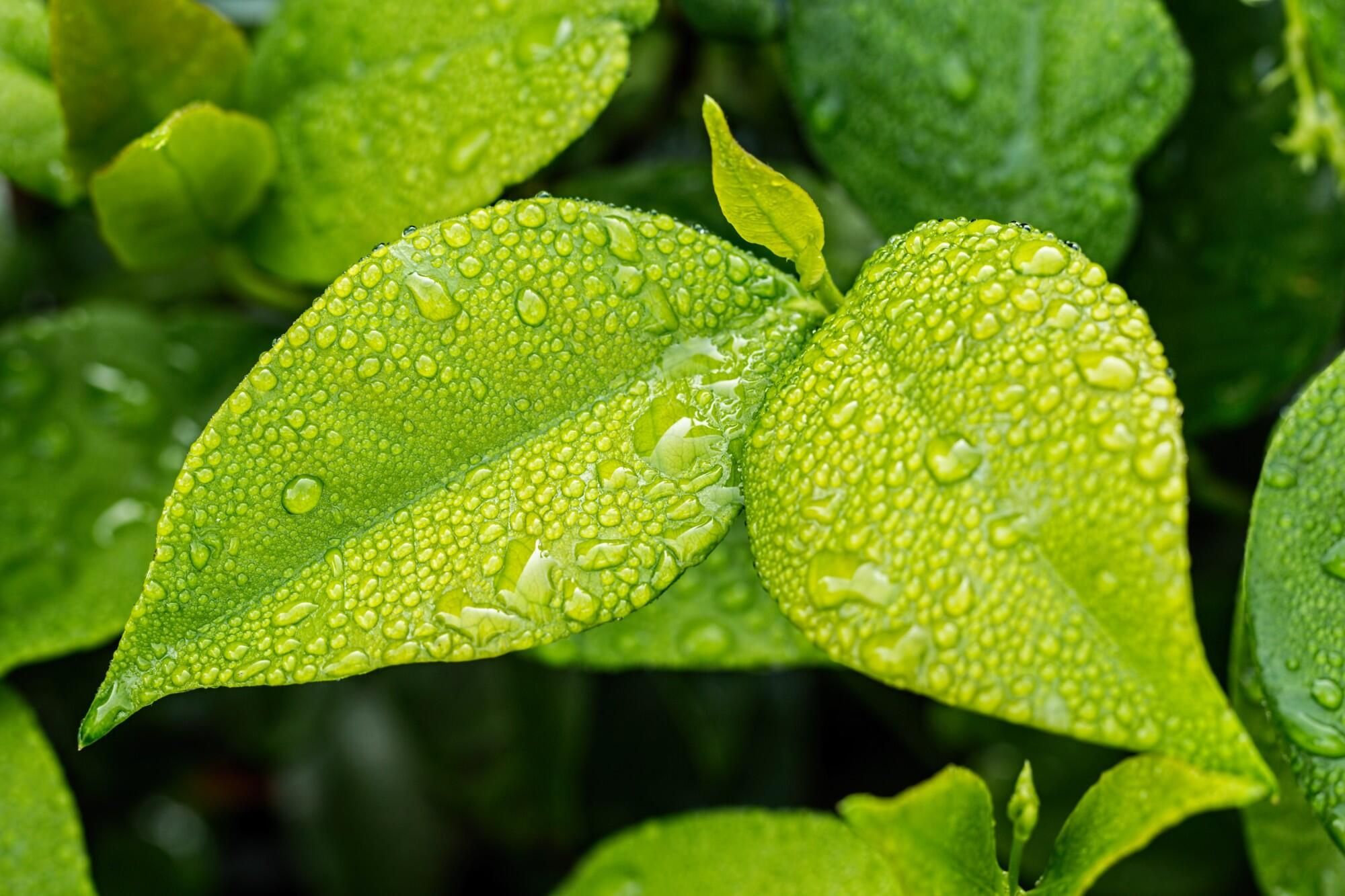
Eco-friendly garden design replaces thirsty turf with native species suited to local soil and rainfall. The result is a yard that uses far less water and costs less to maintain.
Outdoor water use makes up more than 30% of household use, according to figures from the EPA WaterSense Program. For those in hotter, drier states like Arizona or New Mexico, the figure can be as high as 60%. With water shortages becoming more prevalent, and predictions suggesting they’ll get worse, many gardeners are looking towards more sustainable garden design.
Eco-friendly gardens use alternative landscaping options for a low-maintenance gardening experience that works with the local ecosystem and climate rather than against it.
What Does Sustainable Garden Design Actually Mean?
Eco-friendly gardens involve discarding thirsty turf and expensive exotic plants in favor of more eco-friendly landscaping options. By swapping in regionally appropriate plants that can thrive in local soil and local rain conditions, homeowners create a garden that requires less water and maintenance.
The University of Georgia Cooperative Extension estimates that converting to a water-efficient landscape through careful plant choice and design can reduce outdoor water use up to 50 percent.
Across the US, people use all kinds of plants in their yard, but most of them come from outside the American continent. Since these plants are often ill-adapted for the American climate, they need vast amounts of water and care. By swapping in native plants, you’re introducing plants that’ll thrive without much effort.
The Environmental Case For Eco-Friendly Gardens
Eco-friendly gardens are one of the important green home practices. Many homeowners don’t realize how much keeping a conventional lawn harms the environment. The California Air Resources Board says that running a commercial lawn mower for an hour releases the same amount of pollution that makes smog as driving a brand-new passenger car about 300 miles.
A commercial leaf blower run for the same hour matches roughly 1,100 miles. By having less lawn to mow, or getting rid of it entirely, you’re significantly reducing the carbon footprint of your household.
Low-Maintenance Gardening Saves Time And Money
An established eco-friendly garden cuts the following running expenses that you’d get with a lawn:
- Water
- Weeding
- Spraying
- Mowing
With that said, you’ll need to ensure your garden is properly designed. Poor layout can affect soil drainage, resulting in some plants not getting enough water. If you want a truly passive system, it makes sense to work with a professional landscaping company with a tried and tested local reputation.
Discover Eco-friendly Gardens
Eco-friendly gardens pay off over the years. By swapping out inappropriate plants and turf for more native plants, you’ll have a significantly lower water bill. A well-designed garden can easily operate passively, with only occasional trimming and care.
If you want to get the best results, it makes sense to work with a local landscaping company throughout the process. That way, you have access to local expertise regarding plant selection and soil conditions.
If you’re interested in learning more about news and events in Cleveland, Ohio, see our recent articles for more.