Fatal truck crashes continue to outpace safety improvements on US highways
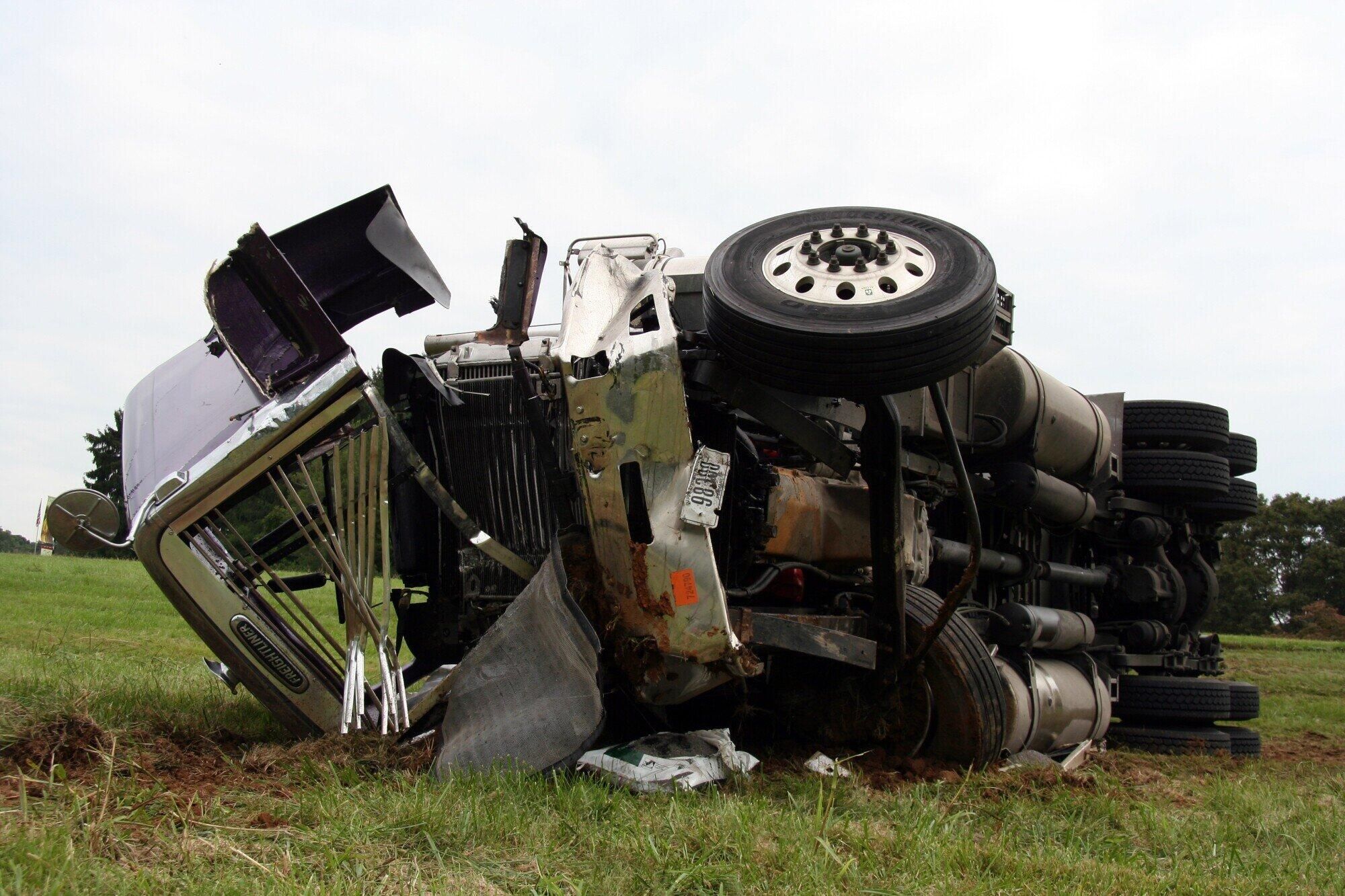
Statistics show that advancements in safety are not producing improvements in truck accident death rates as we would expect.
The IIHS notes that occupant death rates per truck mile fell substantially between 1975 and 2009, but that decline stopped around 2009, and per-mile rates have barely moved since. In 2024, large truck crashes claimed lives at a 58% higher rate than in 2009, and the truck occupant death rate was 84% higher than in 2009.
In the fifteen years since truck crash fatalities bottomed out, there have been improvements in transportation safety measures and driver safety regulations. Yet, truck accident statistics show that fatal truck crash rates are not declining as would be expected.
Injuries Continue to Climb
Fatalities did show a slight improvement in 2024, but the wider picture remained bleak. The National Safety Council reports that 120,724 large trucks were involved in injury crashes in 2024. That’s an increase of 5.4% on 2023 and 18% since 2016.
Fatal crash involvement fell by 3%, which seems promising, but in the last decade, the rate is up by 30%. These truck accident statistics show that despite safety improvements, trucks remain one of the hardest problems in US highway safety.
The Impact of US Highway Safety Improvements
There’s no doubt that a lot of work has gone into US highway safety improvements in recent years, but the focus has been more on protecting occupants than those in other vehicles. Airbags, crumple zones, and electronic stability controls make driving safer for those inside the vehicle.
However, when they’re faced with an 80,000-pound tractor-trailer bearing down on them, it’s still a David vs Goliath situation. The IIHS notes that 62% of fatalities still occur in the smaller vehicle.
Location Impacts the Outcome of Truck Crashes
An interesting fact buried in the IIHS report on truck crashes is that the freeway is not the most common place to get into a fatal truck crash. Only 30% occurred on freeways and interstates, whereas 51% happened on major roads.
A lot of transportation safety measures have focused on highway safety, and truck accident statistics seem to show that this is paying off. However, major and minor road accidents now comprise 69% of deaths from truck crashes, meaning this may be the next area for the authorities to focus on.
Records Have a Short Shelf Life
Driver safety regulations require trucking companies to keep records of:
- Hours of service
- Electronic logging data
- Vehicle inspections
However, enforcement depends on records that carriers need only retain for six months.
For someone who gets injured, this means that cases turn on evidence with a short shelf life. Phoenix truck accident lawyers can request preservation of logs, telematics, and dashcam footage before retention periods expire. This can make the difference between a provable claim and an unprovable one.
Why Truck Crash Prevention Requires a Different Approach
Trucks are so fundamentally different from other vehicles that they require completely different technology and regulations to make them safer. As regular road users, the best way to avoid truck crashes is to remain vigilant and drive defensively. Learn about truck blind spots and avoid them, and give these road behemoths the respect they deserve.
If you’ve enjoyed the insights in this article, we’ve got more for you! Check out our blogs for helpful hints that can make driving safer and more enjoyable.