Car safety technology is reducing risks, but not eliminating accidents
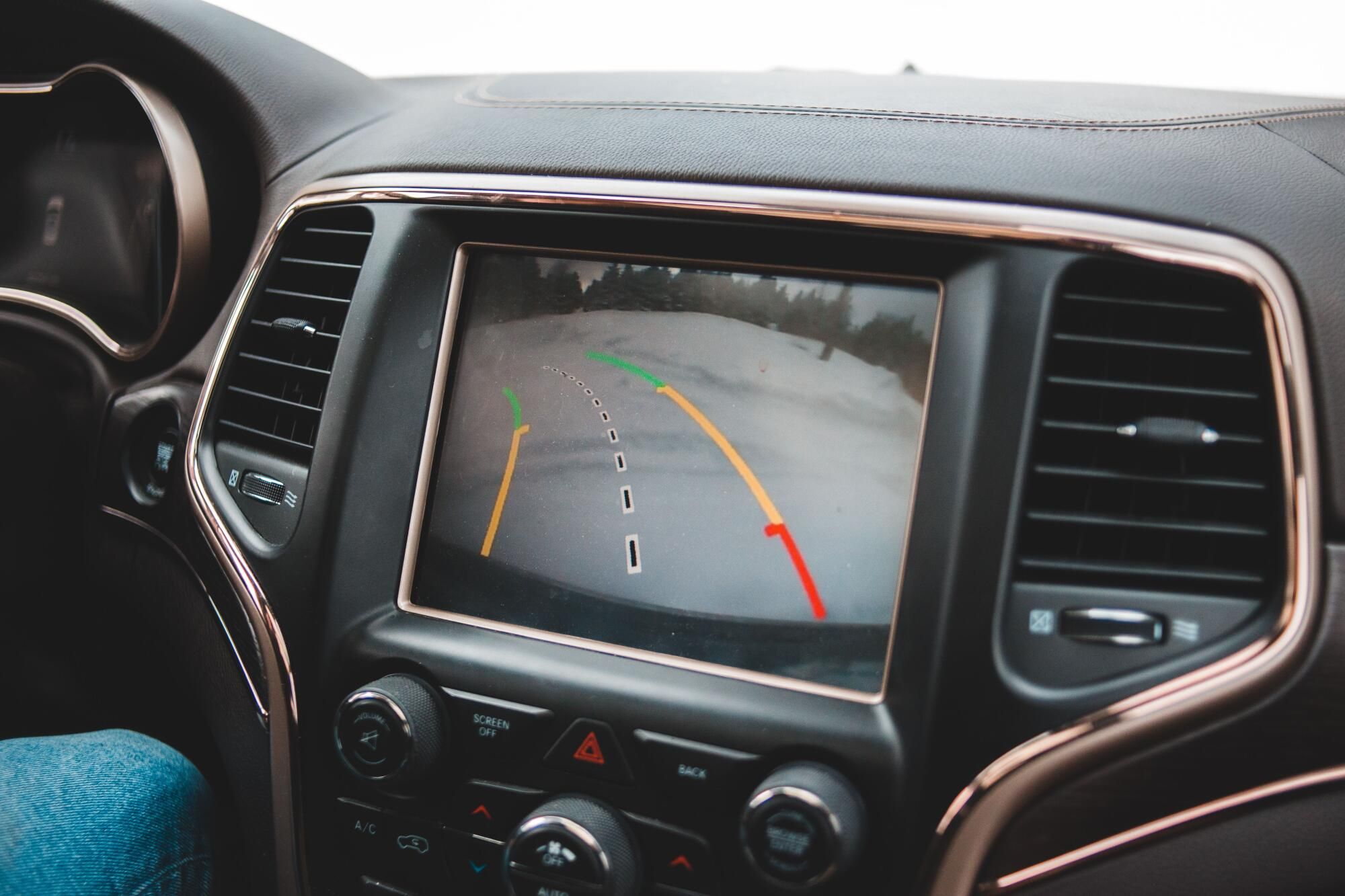
Automatic braking, blind spot detection, and cruise control are some of the car safety technology features that help modern drivers. Cameras provide better views while sensors help maintain stopping distances that prevent accidents. However, some drivers still get into collisions by over-relying on technology and allowing distractions.
Automatic Emergency Braking (AEB) reduces rear-end crashes by 50%, saving lives, according to the Brake Report. While these tech advances help with car safety, humans still need to be present drivers to avoid negating the help these tools provide.
What Are Some Car Safety Technology Features?
Advanced driver assistance tools feature sensors and cameras to prevent crashes. They do so by providing additional viewing and preventive warnings.
Automatic Emergency Braking (AEB) systems will brake on their own when sensing a crash. Blind spot monitoring will warn you with a light when a vehicle is hiding in your side blind spot.
Rear cross-traffic alerts let you know a car is coming from the side while you’re backing out of your parking spot. Forward collision warning issues a beep or light alert when you’re getting too close to the car ahead of you.
Adaptive cruise control sets the distance between you and the car in front by speeding up or slowing down automatically.
You can gently steer your car back into the middle of the lane when you start to drift thanks to Lane Keeping Assist. When tires are running low on air, your tire pressure monitoring system will alert you.
How Are They Helping?
These features enable car crash reduction that saves lives. For example, Integrity Insurance reports a 21% reduction in single-vehicle, sideswipe, and head-on crashes with injuries.
Backing-out crashes are also down 17% thanks to backup cameras.
Do These Automotive Innovations Have Limitations?
Why are accidents still happening despite the rise of accident-prevention tech? Even with the technology, there’s still room for human and technical errors.
There are larger, more powerful vehicles on American roads now, increasing the danger for other drivers and pedestrians. Crashes in these larger vehicles are more likely to result in fatalities or more severe injuries.
Smartphones are still a source of distraction. Advanced auto entertainment systems have many features, from music to GPS, that can cause a driver to forget to keep both hands on the wheel.
What to Do After an Accident?
Immediately document what you can, from car damage to road skid marks to witnesses, if you’re in a state to do so. Get a physical exam even if you feel fine; there could be internal injuries that won’t show up immediately.
If you need help, contact the Brach Eichler crash team for legal representation during this process. They can speak with insurance companies on your behalf and help get a fair settlement for recovery costs.
Vehicle Safety Features Can Reduce Accidents with Intervention
Car safety technology aids drivers by providing warnings on low tire pressure or a car being too close. Sensors can provide extra eyes that improve views on blind spots for better parking.
However, it’s not a replacement for understanding road rules, as the driver is the real pilot of the car.
Check our website for more articles on cars and road safety.